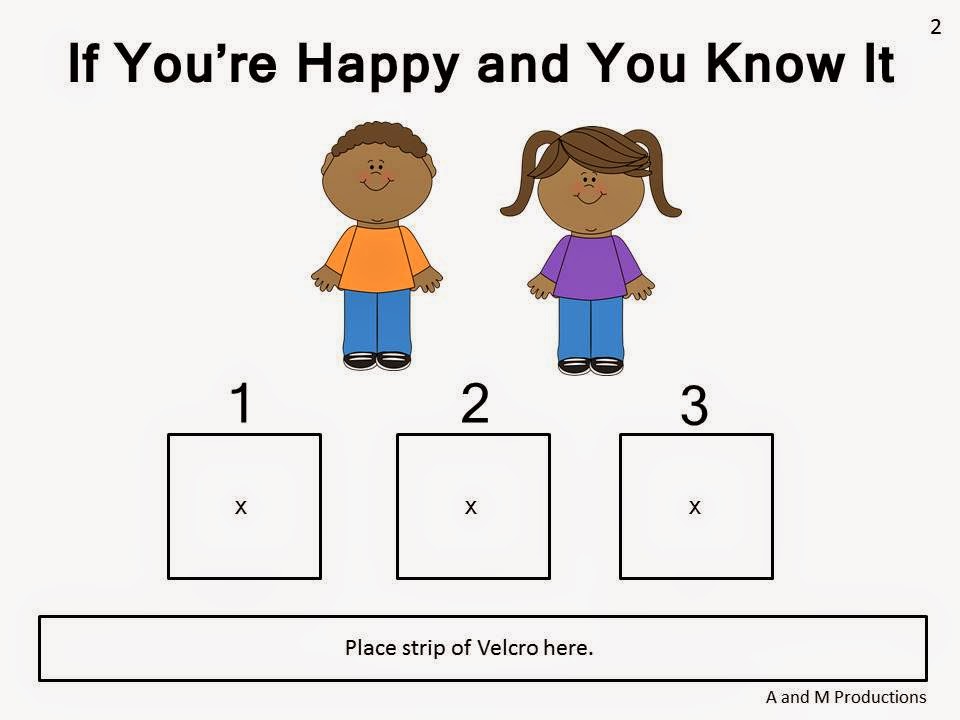
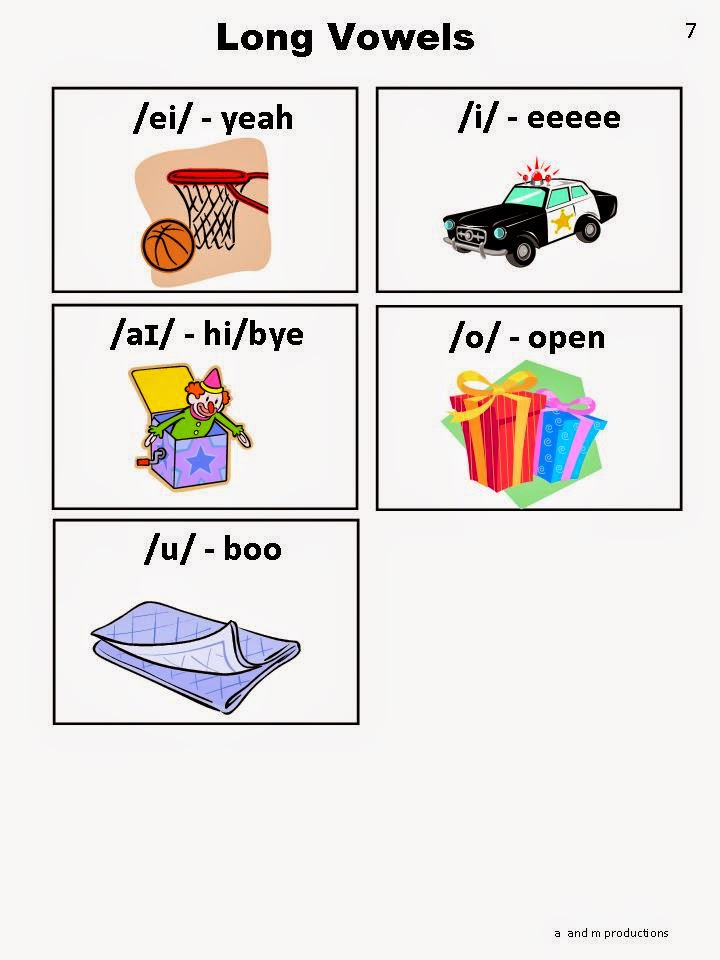
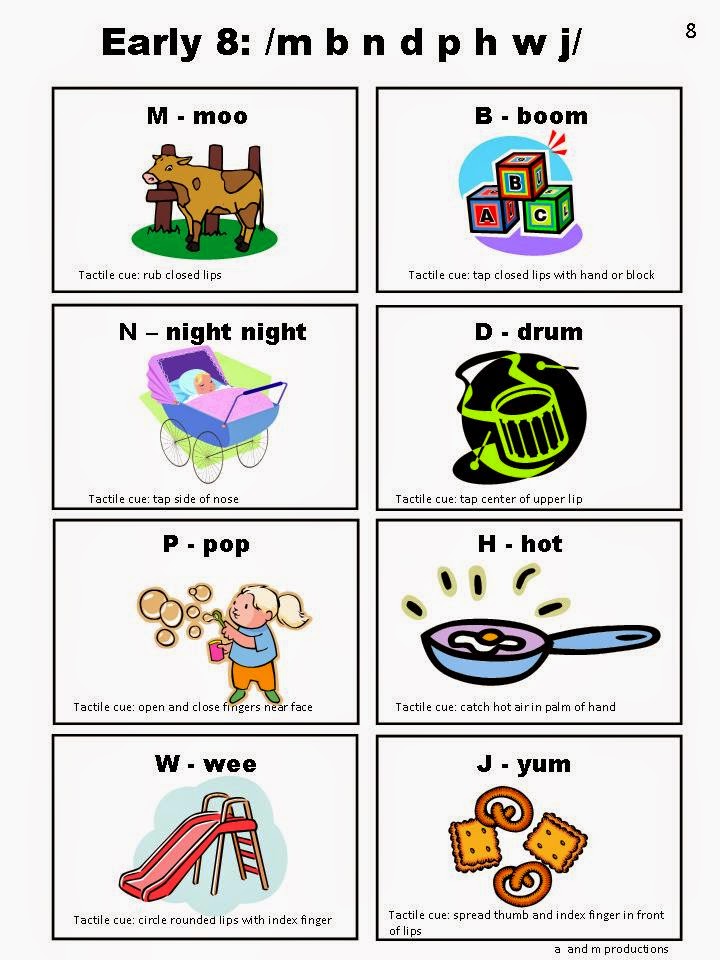
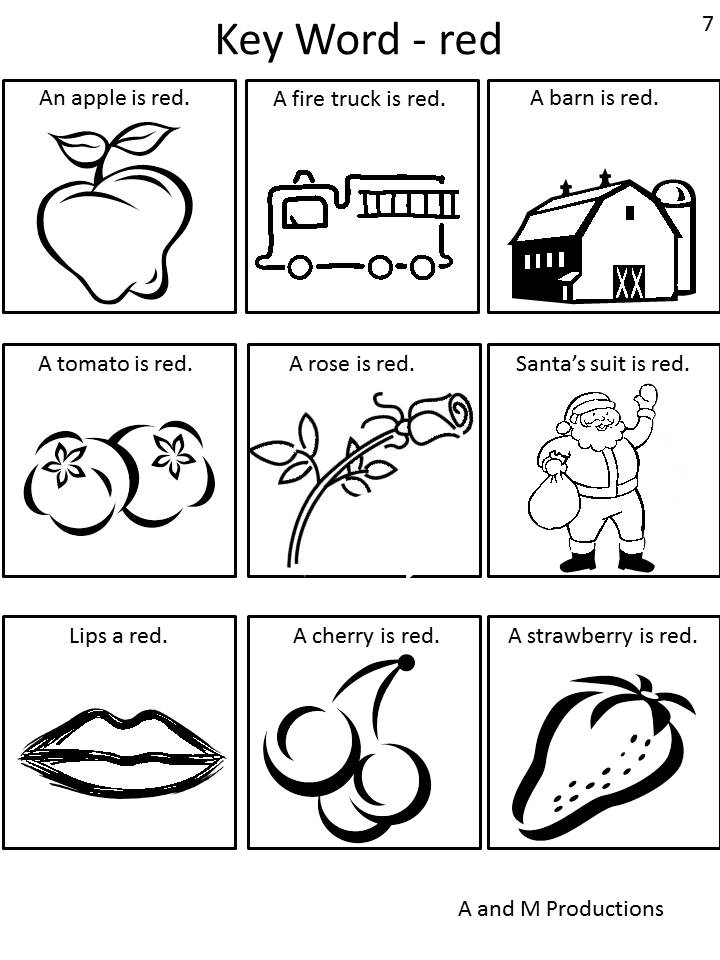
Repetitive children's songs with actions are a great way to learn language. Based on a concept presented by Maija Gulens, MS, CCC-SLP, at a Language and Learning Conference at Children's Hospital Colorado in 2008, I created manipulatives to go with 3 popular children's songs. Check them out at TeachersPay Teachers.
Labels
- Copy Cat Series (1)
- Expressive Language (1)
- HOW TO Series (6)
- Learning Language through Routines Series (2)
- LinguiSystems (4)
- Ready Set Series (9)
- Speech (1)
- Verb Tense Series (1)
Friday, March 20, 2015
Thursday, March 12, 2015
Learning Language through Play Routines
Have you ever had the experience of chasing a young child around the room trying to get some kind of interaction going? The child flits from one toy to the next and never really engages. At the end of the session you are exhausted, frustrated and totally lost as to what to do the next session. I like to develop play routines with these children. I get their attention with a very fun toy and then develop steps within the play to give the child more to talk about and increase their engagement. Examples of steps include:
- putting the desired toy in a clear container that is hard to open
- adding a magic button (push it and the container magically opens)
- hanging the finished product on the wall to admire or showing it to someone
Once the routine is understood, the child uses language to continue the routine and make choices. You no longer have to struggle with planning your therapy sessions. Keep expanding and disrupting basic play routines and watch your child's attention and language grow!
Learning Language through Play Routines consists of 8 routines using the following toys: bubbles, balloons, puzzles, Potato Head, Humpty Dumpty, a coloring book, a mailbox and objects, and Play Dough. The play has been expanded into 6 steps (e.g., you don't just blow up a balloon, you first take a balloon out of a jar, attempt to blow it up, blow it up with a balloon pump, tie it, tap it in the air, then draw a face on it). Visual supports, ways to expand and disrupt each step, and suggestions for mapping language on top of the routine are provided. Check it out on Teachers pay Teachers.
Saturday, April 12, 2014
HOW TO Start Apraxia Therapy with the Young Child
I recently attended the Colorado Speech, Language and Hearing Association Spring Conference and the speaker gave me a lot to think about. At the conference, Christina Gildersleeve-Neumann, Ph.D., from Portland State University discussed current theories of phonological development and various treatment approaches. What she said made a lot of sense and affirmed the approach I take in therapy for the young nonverbal child.
It is very risky to diagnosis a young nonverbal child with childhood apraxia of speech. The child has not yet developed a phonological system so how do you know if it's impaired? The first step in therapy is to get the child talking. In HOW TO Start Apraxia Therapy with the Young Child, I outline my approach in three steps and provide toy choices to use in play to stimulate speech and language development. Check it out on TeacherspayTeachers.
Thursday, November 7, 2013
HOW TO Remediate a Lateral /S/
Remediation of a lateral /s/ takes patience and a step-by-step approach. I have had success using the ideas of Pamela Marshalla. This product provides the picture support to work with young children on this often very stubborn articulation error. Check it out on Teachers Pay Teachers.
Wednesday, September 4, 2013
HOW TO Remediate Cleft Palate Speech
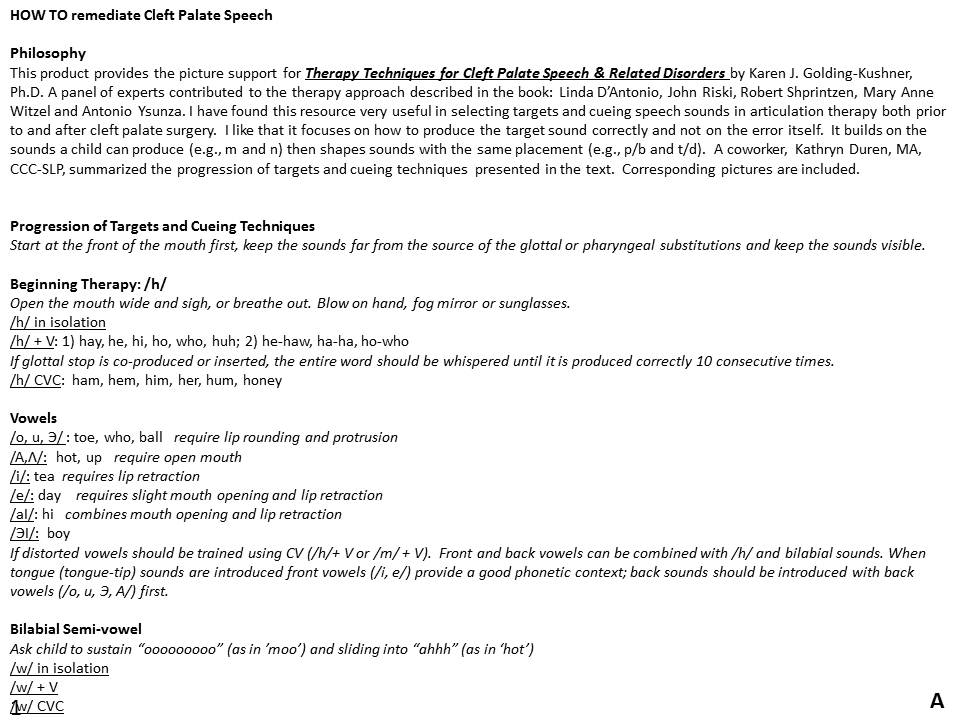
Hope you had a fun summer! It's time to get back into the swing of things. I have several children on my caseload with a cleft palate in various stages of surgical management. The book Therapy Techniques for Cleft Palate Speech & Related Disorders by Karen J. Golding-Kushner, Ph.D., is a great resource for selecting targets and providing cuing techniques. The author suggests words to use in therapy.
My product provides the picture support for the words suggested by Dr. Golding-Kushner. In addition, my co-worker Kathryn Duren, MA, CCC-SLP, summarized the cuing techniques for each sound. Hope you find this resource useful. Check it out at Teachers Pay Teachers.
Tuesday, May 28, 2013
HOW TO Develop a Strong "R": "R" Blends
R Blends
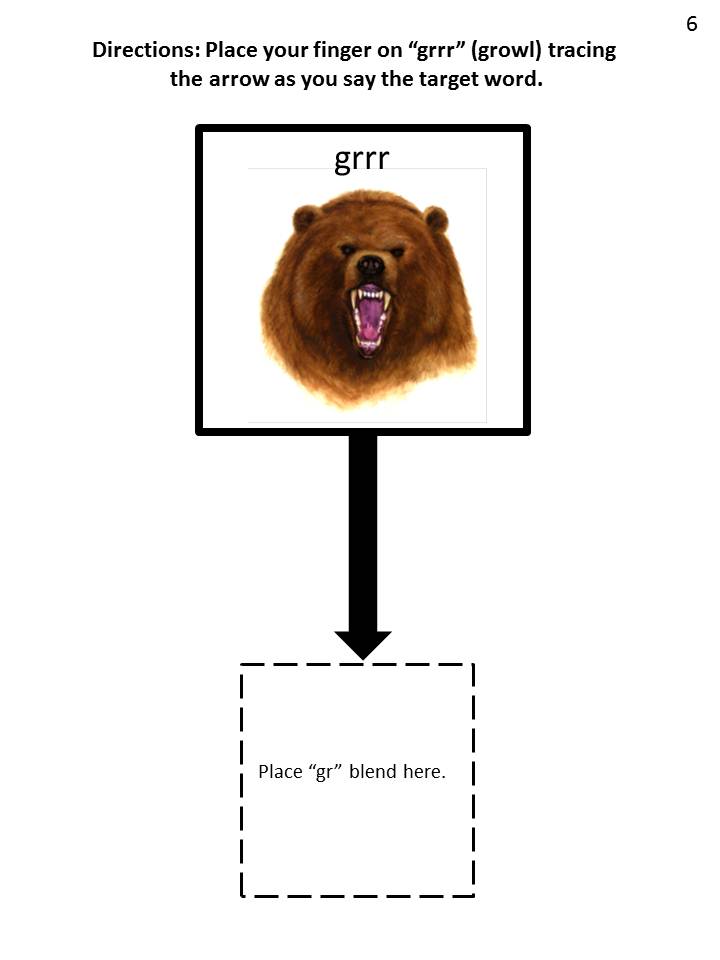
The "r" sound often gets slighted in "r" blends. I like to highlight the "r" by starting the blend with a helping word, e.g., start "gr" blends with "grrr" as in growl, start "kr" blends with "krrr" as in curl. This makes the "r" more salient to the child. Take a look at a few pages.
Sunday, May 26, 2013
HOW TO Develop a Strong "R": Vocalic "R"
Vocalic "R"
Here it is......vocalic "r." This product took me a lot of time to pull together. I hope you find it useful. Please share what works for you. I'm always looking for new ideas.
Friday, May 24, 2013
HOW TO Develop a Strong "R": Consonantal "R"
Consonantal "R"
R's are tough. You need a lot of tricks up your sleeve as a speech-language pathologist to remediate the "r" sound. I have pulled together techniques I have used over the years and put them in this product. Some are based on workshops I have attended (Barbara Hodson, Ken Bleile, Pamela Marshalla). But most are just my twist on things. In addition to 12 pages of pictures, I have included placement strategies, general guidelines and a list of expansion activites based on children's books. HOW TO develop a strong vocalic "r" and r-blends will follow.
Subscribe to:
Posts (Atom)